

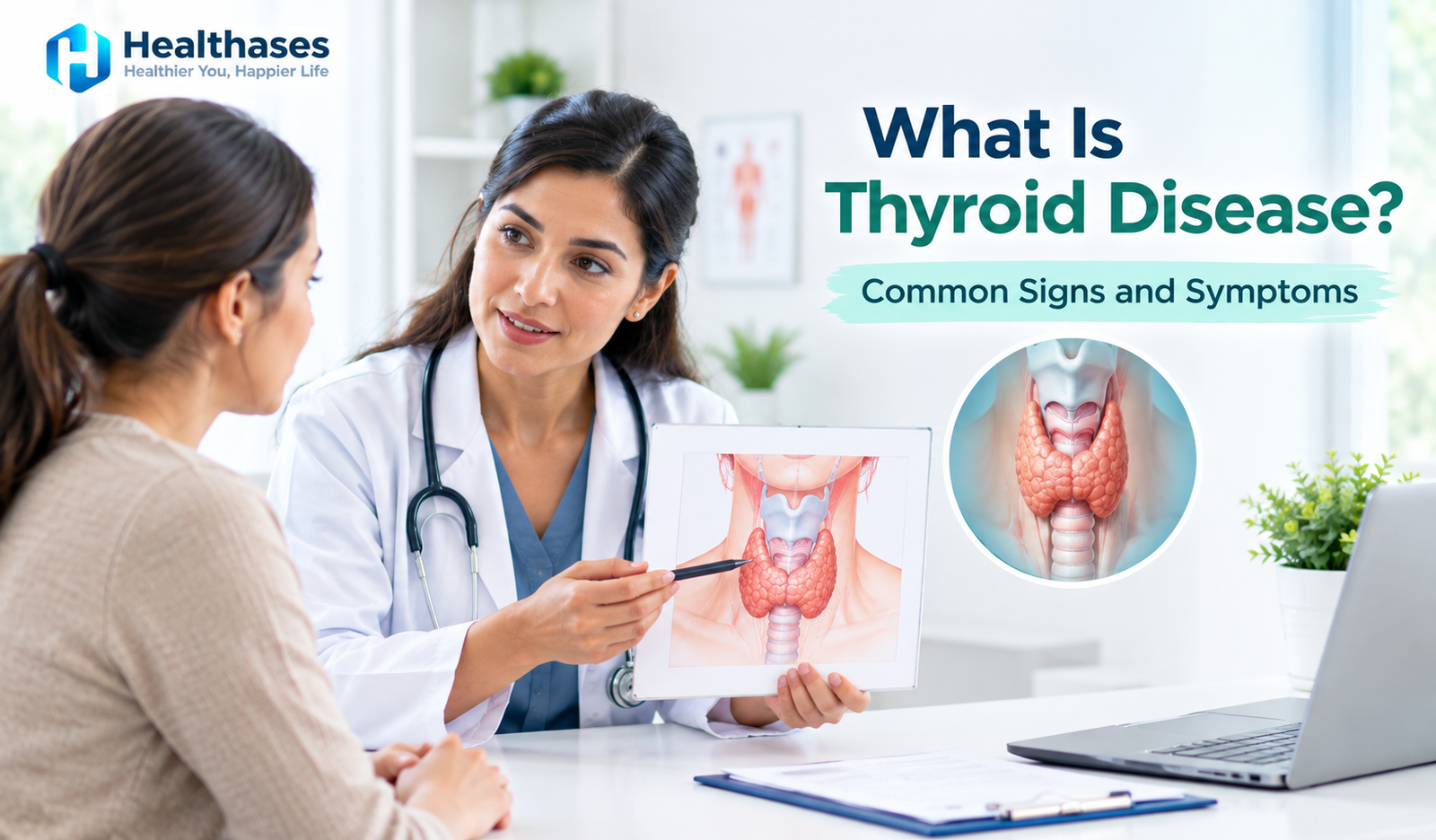
What is thyroid disease and what are the symptoms? Thyroid disorders can manifest in different ways. The thyroid gland, located in the front of the neck, controls a variety of vital bodily functions. The thyroid regulates metabolism, energy level, heart rate, body temperature, and many other critical bodily functions. When things are not going right with the levels of hormones produced by the thyroid gland, changes in how the person feels, behaves, and reacts can happen.
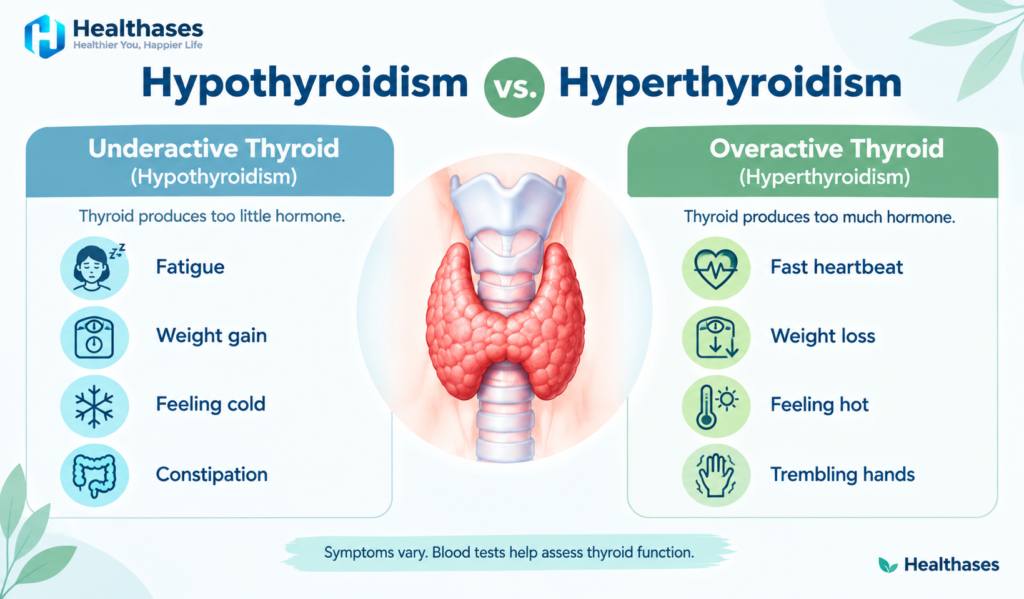
Hypothyroidism is a disorder characterized by low levels of thyroid hormones produced by the thyroid, while hyperthyroidism is associated with excessive production of said hormones. Other possible thyroid diseases include goiters, thyroid nodules, inflammation, and thyroid cancer.
Thyroid problems may develop slowly, and symptoms may occur in a person even though there is no apparent indication of the malfunctioning thyroid. It is essential to be aware of the symptoms of thyroid problems, as they may be helpful in deciding if a visit to the doctor is necessary and a number of tests should be done.
For more informative blogs, visit Healthases.com regularly.
Key Takeaways
- The symptoms of an underactive thyroid are tiredness, constipation, weight gain, and increased intolerance to cold.
- Patients with an overactive thyroid may experience increased heartbeats, sweating more than normal, anxiety, and weight loss with no explanation.
- Girls can experience changes in menstruation and the ability to conceive.
- The swelling of the area around the neck, a new lump felt on the neck, or a hoarse voice requires a visit to a doctor.
- Doctors often rely on blood tests to determine how well the thyroid is functioning.
What Is Thyroid Disease and What Are the Symptoms?
Thyroid diseases are a term for diseases that affect the functioning and structure of the thyroid gland. The thyroid gland is responsible for producing hormones like thyroxine (T4) and triiodothyronine (T3), which are hormones that assist in the proper functioning of various organs by providing energy.
The signs and symptoms of thyroid diseases include:
- Unusual tiredness
- Unexplained weight increase or decrease
- Feeling cold or hot
- Racing heart or irregular heartbeat
- Constipation or increased bowel movements
- Dry skin, thinning of hair, or changed hair texture followed by hair loss
- Low mood, anxiety, irritability, and difficulty concentrating
- Changes in menstrual cycle
- Muscle pain and weakness
- A lump or swelling in the neck
Although these are a few symptoms of thyroid disease, the healthcare expert will conduct a proper assessment of the patient’s medical history.
1. Symptoms of an Underactive Thyroid (Hypothyroidism)
Hypothyroidism is defined as a state wherein the thyroid does not produce enough of the hormone. The effect is that the processes in the body are slowed down. The manifestations usually emerge gradually, making a person mistake them for stress, old age, or the rigors of a busy life.
Among the possible signs and symptoms:
- Fatigue: feeling persistently tired after slumber.
- Weight gain: gaining weight without changes in lifestyle or nutrition.
- Cold intolerance: feeling cold compared to others.
- Digestive disorders: experiencing constipation or slow bowel movements.
- Skin and hair changes: appearing to have dry skin, hair loss, or brittle nails.
- Mood disorders: feeling depressed, losing the ability to concentrate, or remembering things.
- Symptoms related to muscles: experiencing pain or stiffness in muscles.
- Changes regarding the menstrual cycle: women having heavy periods or those who are irregular.
Not all of the symptoms are experienced by one person. The best course of action for a doctor would be to prescribe thyroid blood analyses instead of assuming thyroid disorders.
Read our most recent article on “Vitamin D Deficiency Signs and How to Treat Them Safely”
2. Hyperthyroidism: Signs of an Overactive Thyroid
Hyperthyroidism happens when the thyroid secretes an excess of thyroid hormones than required by the body. This overactivity affects many bodily functions. One of the most frequent causes is Graves’ disease, which is an autoimmune disorder, but other problems such as thyroid nodules and inflammation can also lead to the disease.
Hyperthyroid symptoms in women and men include:
- Sudden weight loss without any dietary changes
- Rapid and unstable heart rate
- Nervousness and stress
- Hand shaking
- Excessive sweating
- Insomnia
- Muscle weakness
- Frequent bowel movements
- Changes in the menstrual cycle
- Enlargement of the thyroid gland
At first, symptoms may be mild; however, continued heart problems, unexplained weight changes, and tremors should be evaluated by a professional.
| Expert Tip: Do not use iodine or “thyroid support” products, such as supplements, for suspected hyperthyroidism. Such treatments are known to worsen some thyroid conditions. Also, these supplements can negatively affect conventional medicine. |
3. Thyroid Symptoms for Ladies: What Women Should Know
Thyroid disorders may afflict individuals of either gender, but women tend to have some of the disorders more often. Pregnancy and the time after childbirth can also interfere with normal thyroid functioning.
Typical manifestations of thyroid dysfunction in women include fatigue, weight fluctuations, skin dryness, hair falling out, and mood changes. Many conditions share the same symptoms; thus, they should not be used for thyroid disease diagnosis on their own.
Symptoms for thyroid problems in women
Women may experience symptoms like:
- Irregular periods: Menstrual flow can be inconsistent, either heavier or lighter than usual.
- Problems with fertility: Women with hormone fluctuations can face trouble with ovulation and reproductive function.
- Increased hair loss: Oftentimes, issues with the thyroid can impact hair growth.
- Low energy levels: One may feel tired.
- Mood Swings: Women may become anxious, irritable, or depressed if there are any issues with the thyroid.
Although the term symptoms of thyroid in female is common on the internet, every woman can have distinct symptoms, as irregular menstruation can appear due to various reasons such as pregnancy, stress, and hormonal changes.
Therefore, women who are currently expecting, planning to get pregnant, or have given birth very recently should talk to their doctor about the symptoms they experience and their thyroid history. It is necessary to evaluate the condition of the interviewee properly, as there may be issues during pregnancy.
4. Thyroid Disease Autoimmune Disease: How Are They Connected?
An autoimmune thyroid condition occurs when the immune system attacks or stimulates the thyroid by mistake.
There are two key examples:
- Hashimoto’s disease is an autoimmune condition that can harm the thyroid over time, leading to hypothyroidism.
- Graves’ disease is an autoimmune condition that often causes hyperthyroidism.
So, understanding the connection between thyroid disease autoimmune disease is important because these conditions are often hereditary and may occur with other autoimmune diseases. However, having a family history is not enough to guarantee developing thyroid disease.
In the case of Hashimoto’s disease, there might not be any noticeable symptoms at first, and as the production of thyroid hormones decreases, symptoms of hypothyroidism may develop. Symptoms of Graves’ disease may include an accelerated heart rate, tremors, sweating, and intolerance to heat.
The clinician might order tests for thyroid antibodies on the basis of the initial thyroid tests and the patient’s medical history.
5. Thyroid Disease Goiter Symptoms: Signs of an Enlarged Thyroid
Goiter refers to a swelling of the thyroid gland. It can occur when there are either insufficient levels of thyroid hormone or too much of it in the body, or when the production of this hormone is normal. Some of the underlying causes of goiter may be the following: autoimmune diseases, disorders of iodine metabolism, presence of nodules in the thyroid gland, and diseases of the thyroid gland.
Thyroid disease goiter symptoms may include:
- Swelling in the neck
- Sensation of fullness or pressure in the throat
- Difficulties to swallow
- Feeling of tightness around the neck
- Voice changes
Breathing or cough difficulties in case the goiter exerts pressure on surrounding structures
In some cases, goiters are asymptomatic, and only a doctor can find out about them during a checkup or imaging. Any neck lump should be investigated and not assumed harmless.
Immediate medical assistance is required whenever any swelling in the neck disrupts breathing and swallowing. Rapidly growing lumps, constant hoarseness, and new thyroid nodules should be examined immediately.
6. Thyroid Symptoms Eye Problems: When Your Eyes May Be Affected
Some thyroid problems, such as Graves’ disease, lead to the occurrence of thyroid eye disease, which is a condition affecting the tissues surrounding the eye. Thyroid eye disease may occur without hyperthyroidism.
Possible thyroid symptoms eye problems include:
- gritty, dry, or burning eyes
- swelling and redness around eyelids
- excessive tearing
- sensitivity to light
- pain or pressure behind eyes
- protrusion of eyes
- double vision
Not everyone suffering from thyroid disorders develops eye complications, and eye symptoms may emerge for other reasons also. If a person with thyroid problems experiences new eye symptoms, he or she should consult specialists. Any deterioration in color vision, part of the visual field loss, or sudden visual problems should be assessed immediately by specialists.
If possible, do not smoke and avoid secondhand smoke since smoking greatly increases the chance of thyroid eye disease development.
7. Thyroid Disease Symptoms in Male Adults
While thyroid disorders are generally more prevalent among women, men can also have them. The thyroid diseases symptoms in male are mainly similar to those of those in women; however, such symptoms might not be easy to spot when they are attributed to stress, aging, or work-related issues.
The following symptoms might occur in men:
- Being tired or low on energy
- Unexpected weight loss or weight gain
- Being intolerant of heat or cold
- Experiencing muscle weakness or tremors
- Having emotional turbulence and difficulty concentrating
- Having issues related to libido or sexual function
- Having a fast heartbeat or irregular pulse
- Having swelling in the neck area
An underactive thyroid can result in concerns about sexual function for some males, but the reasons for the issue may vary. A doctor would be able to assess the situation and recommend appropriate testing.
8. How Is Thyroid Disease Diagnosed?
While symptoms provide valuable information, doctors rely on blood tests and other tests to diagnose thyroid ailments most of the time.
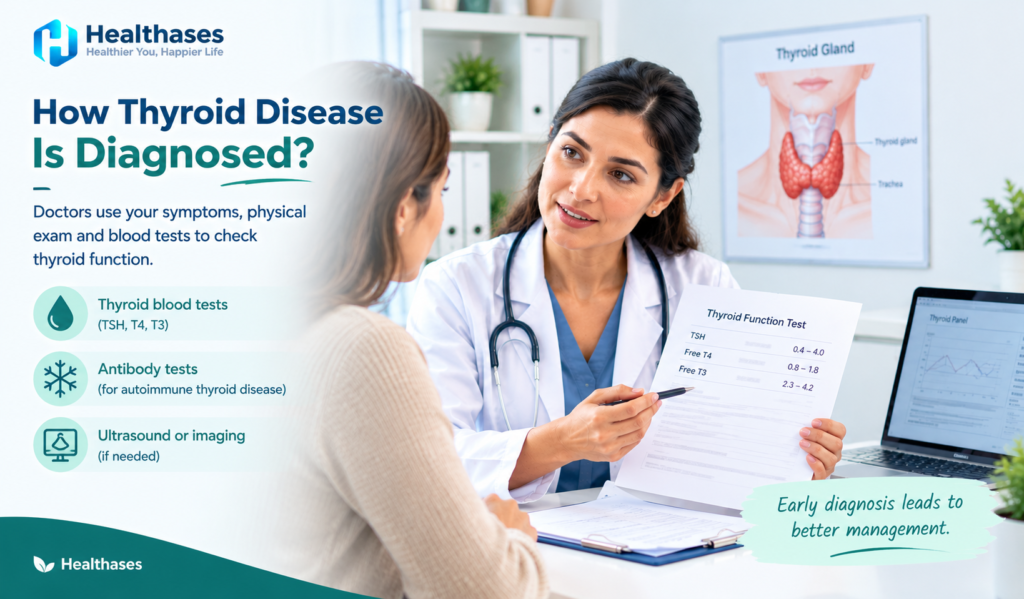
Tests may include:
- Medical history: The doctor will ask about symptoms, medications, family history, pregnancy, and any previous issues with the thyroid.
- Physical exam: The doctor may observe your neck, pulse, and other symptoms associated with your thyroid.
- TSH blood test: This common initial test measures thyroid-stimulating hormone.
- T4 and possibly T3 tests: Tests to measure levels of thyroid hormone.
- Antibody tests: These are helpful in identifying autoimmune thyroid disease.
- An ultrasound or some other imaging: If the doctor discovers a lump in your thyroid, a goiter, or a nodule.
Finally, doctors will decide the exact tests that will be performed based on your symptoms and initial tests.
9. Thyroid Disease Treatment and Everyday Management
The kind of treatment employed is largely dependent on the diagnosis, the cause of the health problem, the hormone levels in the body, and other health conditions affecting overall health. The same treatment does not fit all patients with thyroid conditions.
Depending on the particularities of the condition, the following options may be available:
- Hypothyroidism: the treatment typically consists of thyroid hormone replacement therapy.
- Hyperthyroidism: treatment may include taking antithyroid medications, undergoing radioiodine therapy, or surgery.
- Goiter or thyroid nodules: depending on the results of tests, patients may be monitored or undergo ultrasound or biopsy.
- Autoimmune thyroid disease: the treatment mostly aims at controlling the level of thyroid activity and managing the complications arising.
- Thyroid eye disease: treatment for this condition may be limited to using eye lubricants, as well as special medications for eye care.
Although healthy lifestyle choices do have a positive effect on the overall well-being of the person, they cannot be substituted for appropriate medical treatment. Keep to a healthy diet, engage in physical exercise, sleep enough, and regularly consult medical professionals.
Conclusion
Knowing what is thyroid disease and what are the symptoms will assist in identifying the changes requiring medical intervention. Thyroid disorders can influence energy levels, weight, heart rate, digestion, emotional state, menstrual cycles, and even vision health. A sluggish thyroid often triggers fatigue and a cold intolerance, while an overactive thyroid may be responsible for sweating, tremors, anxiety, and increased heart rate.
Keep in mind that thyroid symptoms may coincide with many other medical states. It is not wise to depend on self-diagnosis by merely checking the list of online symptoms or taking supplements. In case the symptoms persist, a lump is found in the neck area, or there are worries concerning pregnancy and thyroid functioning, a qualified medical professional should be contacted for an evaluation. Proper tests can detect the problem and enable correct treatment.
To access more evidence-based health information, pick other health articles on Healthases.com, and consult your doctor about your health issues.
Author Information
The editorial team at Healthases is committed to writing content in an easy-to-understand format so that readers can glean more from it and formulate questions to ask a doctor. The articles that we write are for informational purposes only and should be referenced against new medical recommendations.
Medical review: Include the name, qualifications, and date of the medical expert and endocrinologist after the introduction.
Medical disclaimer: This article is meant for informational and educational purposes only. It should never be considered a replacement for medical advice or medical services from a qualified professional.
References
- National Institutes of Health — Thyroid Disease
- National Institute of Diabetes and Digestive and Kidney Diseases — Hypothyroidism
- National Institute of Diabetes and Digestive and Kidney Diseases — Hyperthyroidism
- National Institute of Diabetes and Digestive and Kidney Diseases — Hashimoto’s Disease
- American Thyroid Association — Thyroid Eye Disease


Leave a Reply